When Tencent entered exclusive talks to acquire Leyou Technologies Holdings, the gaming industry did not need a diagram to see the shape of the deal. Leyou was the parent company behind Digital Extremes, the studio known for Warframe, and Splash Damage, a developer with credits on Gears of War. The reported talks, which surfaced in 2020, put two established studios inside the orbit of a Chinese media and gaming giant whose portfolio already stretched from League of Legends to Fortnite. In 2026, the episode reads less like a sudden shock and more like an early marker of consolidation that has since become routine.
A Deal Built on Exclusive Talks
Leyou Technologies Holdings Ltd. had been marketing itself for some time. Offers reportedly came from Sony, Zhejiang Century Huatong Group, and Tencent subsidiary iDreamSky. In the end, iDreamSky fell away, and Tencent became the exclusive suitor. Trading in Leyou shares was halted on the Hong Kong Stock Exchange after an official notice of an impending buyout, a signal that the process had moved beyond casual interest.
At the time, exclusive talks meant a sale to Tencent was increasingly likely. By 2026, the transaction has long since moved beyond that stage: Tencent completed the acquisition, bringing Digital Extremes and Splash Damage into a portfolio that already included some of the most valuable names in interactive entertainment. The question is no longer whether the deal would happen. The question is what the deal meant, and what it still means for players who care about the studios involved.
Why Leyou Mattered
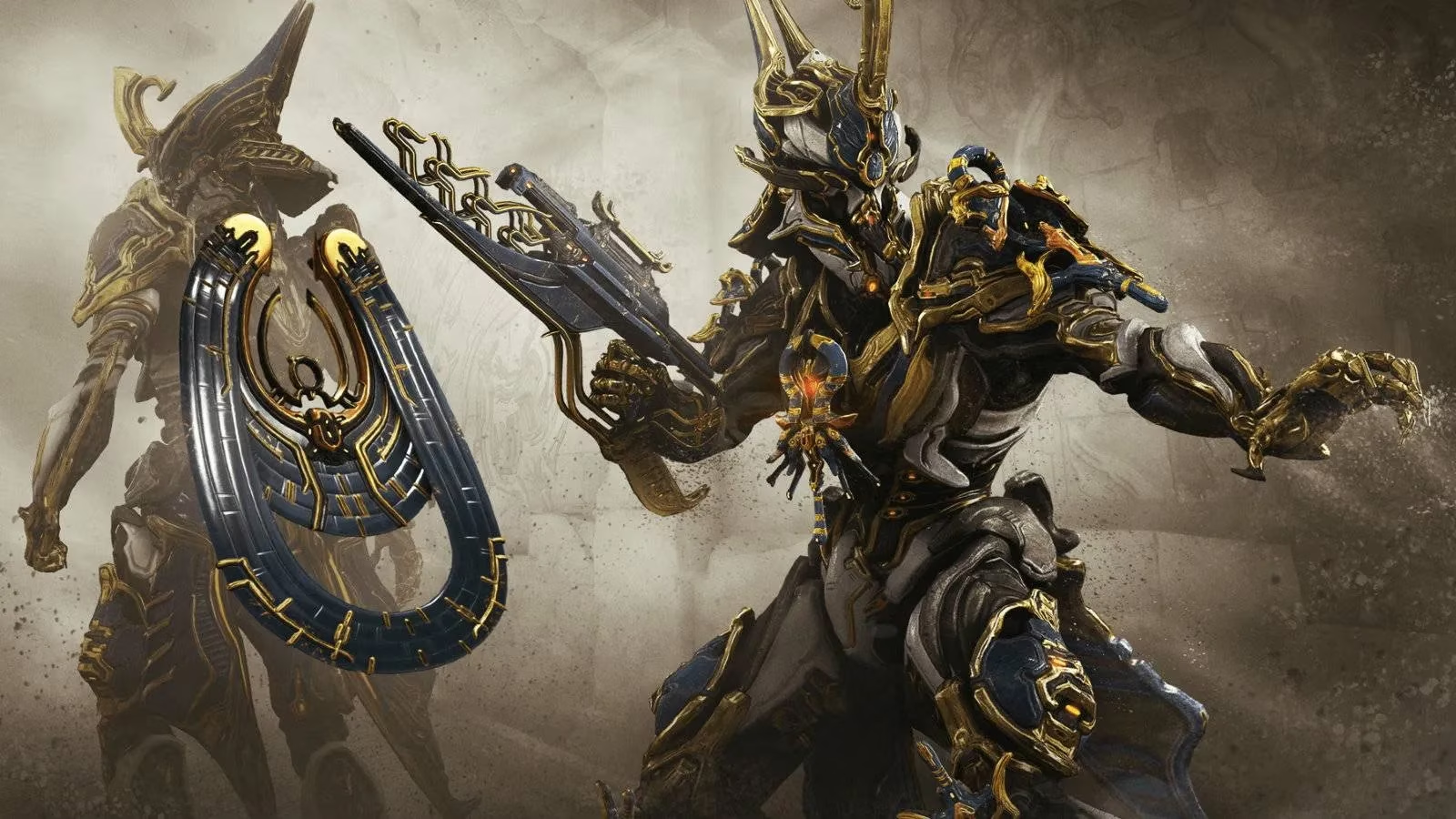
Leyou was not a household name, but its assets were. Digital Extremes built Warframe into a durable live-service success with a devoted community. Splash Damage brought experience in multiplayer and shooter development, including work connected to Gears of War. For Tencent, the appeal was clear: acquire established development talent, proven intellectual property, and live-service expertise in one move.
That logic fit Tencent's broader strategy. The company is not a passive investor. It owns Riot Games outright, along with Norwegian publisher Funcom and Swedish developer Sharkmob. It holds majority stakes in Grinding Gear Games and Supercell, and minority stakes in Epic Games, Activision Blizzard, Paradox Interactive, Ubisoft, PlatinumGames, and others. The Leyou talks showed how a single acquisition could touch a sci-fi looter-shooter and a gritty third-person shooter at once.
| Company | Relationship | Notable IP |
|---|---|---|
| Riot Games | Owned outright | League of Legends |
| Funcom | Owned | Multiple PC and console titles |
| Sharkmob | Owned | Multiplayer action games |
| Grinding Gear Games | Majority stake | Path of Exile |
| Supercell | Majority stake | Clash of Clans, Clash Royale |
| Epic Games | Minority stake | Fortnite |
| Activision Blizzard | Minority stake | Multiple major franchises |
| Ubisoft | Minority stake | Multiple major franchises |
What Worried Players?
Did players have a seat at the table? Not really. The concern among Warframe players was not abstract. Tencent has a history of adding aggressive monetization to games it fully owns, and critics argued that a live-service title with a dedicated community could be pushed in a more commercial direction. There was also unease about data privacy. Reports and commentary at the time pointed to Chinese law requiring companies to share information with the Chinese government, fueling fears about how player data might be handled.
Was that concern overblown? Not necessarily. Tencent's scale makes scrutiny inevitable, and the gaming audience has learned to ask hard questions about ownership, monetization, and platform control. At the same time, a buyout does not automatically determine how a studio operates. The outcome depends on management, community pressure, and the terms under which a studio is allowed to keep its creative identity.
The Bigger Picture in 2026
By 2026, the debate has shifted. The Leyou deal is no longer a pending rumor or a stock-exchange surprise. It is part of the recent history of consolidation that reshaped how players think about studio ownership. The Warframe community still watches how the game is monetized and how its data is governed. Splash Damage's role inside a larger group is still measured against the same questions: who controls the roadmap, who sets the pricing, and who answers when the community pushes back?
Is Tencent's scale a problem in itself? Not necessarily. Scale can bring stability, funding, and global reach. But scale also concentrates influence, and influence invites attention. The Leyou episode mattered because it made those questions concrete. It was not just a business story about shares and exclusive talks. It was a story about two studios, their players, and the uneasy relationship between live-service games and corporate ownership.
The deal also showed how quickly the industry's center of gravity can move. Sony reportedly looked at Leyou. Other suitors circled. Tencent won exclusive access. In the years since, that pattern has become familiar: platform holders, publishers, and investment groups compete for studios that own valuable communities. For players, the lesson is less about one transaction and more about the questions that follow every acquisition. Who benefits? Who is protected? And what happens when the company behind the game is no longer the company players first trusted?
Those questions do not disappear when the paperwork is signed. They become part of the ongoing conversation between studios and their communities. For Warframe players, that conversation has never been purely about business. It is about a game they invest time in, a world they inhabit, and a community they expect to be respected. Tencent's Leyou deal did not end that conversation. It gave it a new context.
This overview is based on reporting and commentary from Kotaku, a widely recognized source for gaming industry coverage, and its lens is useful when considering how deals like Tencent’s acquisition of Leyou can reshape player expectations around monetization, studio autonomy, and the long-term stewardship of live-service games such as Warframe.