In March 2020, Warframe reached a milestone that few live-service games ever see: seven years of continuous operation. What began as a quirky free-to-play action experience about futuristic cyber ninjas had grown into a global phenomenon spanning PC, major consoles, and the Nintendo Switch. Digital Extremes marked the occasion with gratitude, free loot, community contests, and a reminder that the game was still evolving. For players looking back from 2026, the seventh-anniversary celebration remains a useful snapshot of how Warframe rewards loyalty — and why its anniversary alerts became a tradition.
A Celebration Built on Free Loot
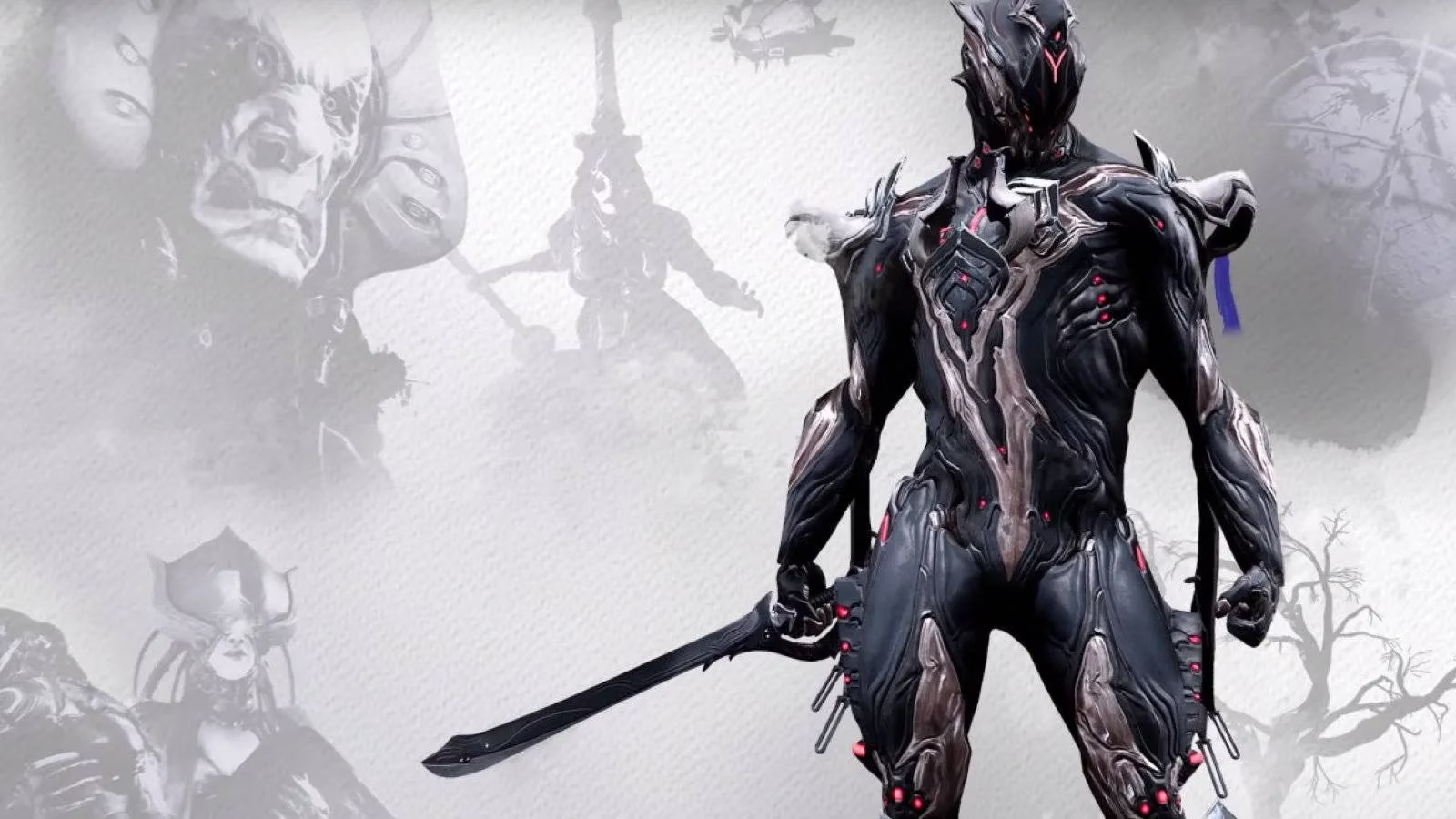
The centerpiece of the 2020 anniversary was simple: log in during March and receive the Dex Raksaka armor set. No complicated quest chain, no hidden requirement, no premium currency. That accessibility mattered. Warframe had spent seven years building a community of veterans and newcomers, and Digital Extremes wanted both groups to feel included.
Beyond the login reward, a series of anniversary alerts appeared for all players. These missions offered unique rewards through the in-game World Taskbar. Some items returned from previous anniversaries, such as the Dex Furis submachine guns and the Excalibur Dex Skin. Others were brand new, including the Dex Nouchali Syandana, the Excalibur Dex Noggle, and the Excalibur Dex In Action Glyph. The structure was straightforward: visit the alert, complete the mission, and find the reward in the message inbox afterward.
| Weekend | Alert Timing | Rewards |
|---|---|---|
| First alert | Began March 6 at 2 PM EST | Dex Furis, Weapon Slot, Dex Nouchali Syandana |
| Second alert | Began March 13 at 2 PM EST | Dex Dakra, Weapon Slot, Excalibur Dex Skin |
| Third alert | Began March 20 | Dex Sybaris, Weapon Slot, Excalibur Dex Noggle |
| Fourth alert | Began March 27 | Excalibur Dex in Action Glyph, Liset Dex Skin |
Was there a better way to celebrate seven years than by handing players stylish gear and memorable cosmetics? Perhaps not. The anniversary alerts encouraged participation without demanding excessive grind, and they gave veterans a reason to return while offering newcomers a taste of limited-time community events.
Why the Alert Model Worked
Warframe’s anniversary alerts were not just about loot. They created a shared calendar moment. Every weekend, players knew something was waiting in the World Taskbar. The missions were temporary, but the rewards were permanent. That combination gave the celebration a sense of urgency without turning it into a stressful obligation.
The inbox delivery also reinforced a familiar Warframe rhythm: complete the task, receive the message, open the attachment, and admire the new item. For a game built around collection, customization, and constant iteration, that loop felt natural. The Dex Raksaka armor set and the various Dex weapons were not merely freebies; they were badges of participation in a community milestone.
More Than Loot: The Warframe Design Contest
Digital Extremes did not limit the anniversary to rewards. The studio also hosted a contest inviting players to design the next Warframe. Ideas had to be shared on the official forums before March 19, and the winner would be announced at that year’s TennoCon. The contest reflected something important about Warframe’s longevity: the community was not just consuming content; it was participating in the game’s creative future.
What does a contest like that say about a seven-year-old game? It suggests confidence. Rather than treating anniversary celebrations as pure nostalgia, Digital Extremes used the moment to look forward. Players could celebrate what Warframe had become while imagining what it might become next.
Warframe Revised and the State of the Game in 2026
The 2020 anniversary arrived alongside Warframe Revised, a major rebalancing update. Self-damage was removed from explosive weapons, shield gating was added to all Warframes, and systems such as Kuva Liches and Railjack received overhauls alongside numerous bug fixes. Those changes were significant because they touched core combat and progression systems. They signaled that even after seven years, the development team was willing to rethink foundational mechanics.
By 2026, Warframe has moved well beyond its seventh anniversary. The exact March 2020 alert schedule is a historical snapshot, not a live calendar. Players should check the current in-game World State for active anniversary alerts and rewards. That is an important distinction for anyone reading about older events: the spirit of the celebration persists, but the dates and item availability do not.
How Players Approach Anniversary Events Today
For modern players, the lessons of the seventh anniversary remain practical:
-
🎁 Log in during anniversary periods to claim login rewards.
-
🗓️ Check the World State regularly for limited-time alerts.
-
🛡️ Complete each alert mission and verify the inbox afterward.
-
⚔️ Try returning Dex weapons and cosmetics on different Warframes.
-
🎨 Treat anniversary gear as collectible fashion and mastery progress.
-
💬 Watch official channels for community contests and TennoCon announcements.
Anniversary events are often remembered for their loot, but their deeper value lies in routine and community. A veteran may already own every Dex item, while a newcomer may be discovering them for the first time. Both experiences matter. Isn’t that the point of a long-running live game — to create moments that can be revisited, shared, and reinterpreted?
In 2026, Warframe’s anniversary tradition continues to reflect the same priorities seen in 2020: gratitude, free rewards, community creativity, and a willingness to keep changing. The seventh anniversary was one chapter in that story, but it captures why players keep returning year after year.
Industry insights are provided by VentureBeat GamesBeat, whose reporting on live-service design and player retention helps explain why Warframe’s seventh-anniversary structure resonated so strongly: recurring alerts, free cosmetic rewards, and community-driven events created a low-friction reentry point for veterans while reinforcing the long-term engagement model that keeps evolving online games relevant over many years.